
Delaying cataract surgery may allow blurred vision, glare, poor contrast, and difficulty with daily activities to worsen. This guide focuses specifically on the risks of waiting, warning signs that need reassessment, and when to speak with an eye specialist. For details about the procedure, lens choices, and treatment options, visit our cataract surgery in Navi Mumbai service page.
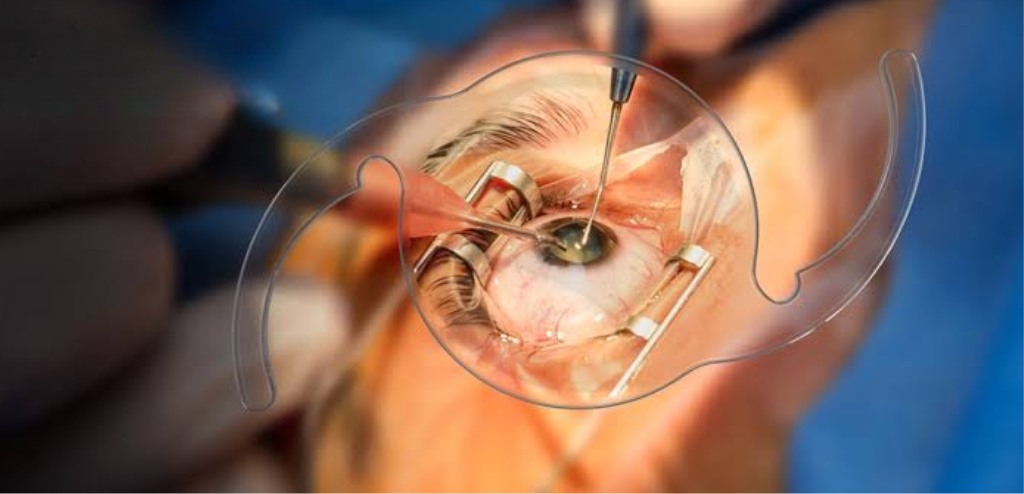
What Happens When Cataract Surgery Is Delayed?
A cataract usually progresses gradually, but the rate of change differs from person to person. As the lens becomes cloudier, reading, driving at night, recognizing faces, and judging steps may become more difficult. Glasses or brighter lighting can help for a time, but they do not remove the cataract. An ophthalmologist can assess whether continued monitoring is appropriate or whether waiting is affecting your safety and independence.
Risks of Delaying Cataract Surgery
Postponing cataract surgery can lead to several complications and challenges:
- Progressive Vision Loss
Cataracts worsen over time, causing gradual vision impairment. This progression can lead to legal blindness in severe cases, significantly affecting your independence. - Increased Fall Risk
Poor vision increases the likelihood of falls and related injuries, especially in older adults. Studies show that timely cataract surgery reduces the risk of falls by improving depth perception and clarity. - Difficulty Performing Everyday Tasks
Advanced cataracts make it harder to perform activities such as reading, cooking, or driving. This can lead to frustration and a decreased quality of life. - Risk of Complications
As cataracts mature, they can become denser and harder to remove. This can make the surgery more complex and increase the risk of complications during and after the procedure. - Impact on Overall Eye Health
Delaying surgery can lead to secondary complications, such as glaucoma or inflammation, which can further damage your vision and eye health.
Why Timely Cataract Treatment Can Help
When cataracts begin to interfere with everyday life, timely treatment can restore clearer vision and reduce the practical risks caused by poor sight. Cataract surgery removes the cloudy natural lens and replaces it with an artificial intraocular lens (IOL). The right timing and lens option should be decided after an individual eye examination.
- Immediate Improvement: Many patients experience a noticeable improvement in vision within days of the procedure.
- Enhanced Quality of Life: Clear vision enables you to resume daily activities with ease and confidence.
- Reduced Dependence on Glasses: Advanced IOL options, such as multifocal and toric lenses, can reduce your reliance on glasses or contact lenses.
- Prevention of Further Eye Issues: Timely surgery reduces the risk of cataract-related complications, preserving overall eye health.
When Is the Right Time for Cataract Surgery?
The decision to undergo cataract surgery should be based on the impact of vision loss on your daily life. If you find it difficult to perform routine tasks, consult an eye specialist promptly to discuss your options.
Where to Get Assessed if Cataract Symptoms Are Worsening
If glare, blurred vision, or difficulty with daily activities is increasing, arrange an assessment rather than deciding to delay on your own. At Laxmi Eye Hospitals, our ophthalmologists evaluate cataract progression and explain whether monitoring or treatment is appropriate. You can also review our cataract surgery services before your consultation.
With branches in Mumbai and Navi Mumbai, including locations at Dombivli, Panvel, Kharghar, and Kamothe, Laxmi Eye Hospitals offers accessible and comprehensive eye care.
Don’t delay your cataract surgery and risk further vision loss. Book your consultation today at Laxmi Eye Hospitals and take the first step toward clear, healthy vision.
Should You Keep Waiting?
Not every cataract needs immediate surgery, but worsening vision should be reviewed. If waiting is affecting driving, reading, mobility, work, or independence, speak with an ophthalmologist about the safest next step. The purpose of this article is to explain the risks of delaying cataract surgery; your examination will determine the right timing for you.