
Squint Eye Treatment in Navi Mumbai
At Laxmi Eye Institute, Internationally recognized eye hospital in Navi Mumbai, centres at Panvel, Kharghar, Kamothe and Dombivali.
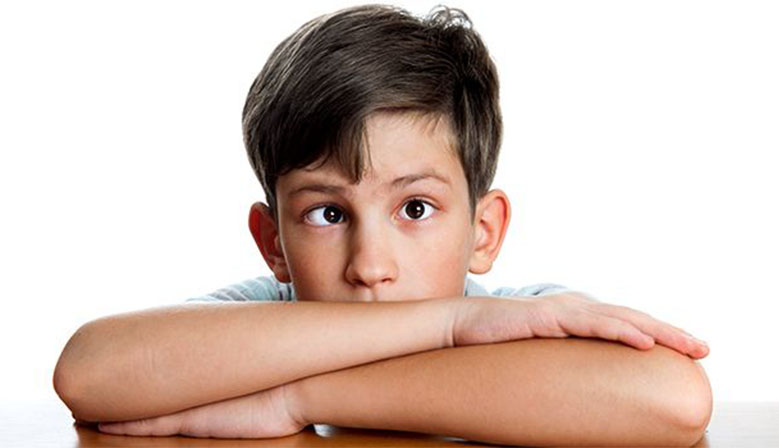
Laxmi Eye Hospital and Institute offers specialized care for children with squint, a condition where the eyes are misaligned and do not point in the same direction. Squint can lead to vision problems, eye strain, and difficulty with eye coordination, which can affect a child's quality of life and development. Our team of pediatric eye care specialists uses advanced diagnostic tools and techniques to accurately diagnose and treat squint in children.
What is Squint (Strabismus)?
The Most Common Types of Squint
Squint comes in different shapes and forms, and each one can affect vision in its own unique way. Let's break it down:
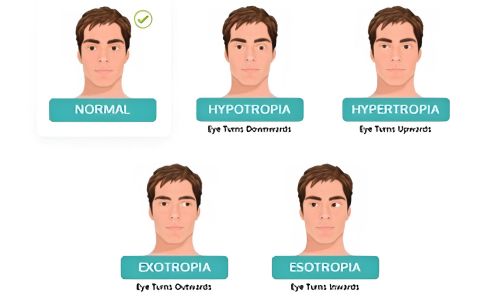
Esotropia: This happens when one
eye turns inward. Think of it as the "cross-eyed" look. It's often noticed in children but can
also develop in adults.
Exotropia: The opposite of
esotropia, this is when one eye drifts outward. People with exotropia may notice their eye
wandering when they're tired or distracted.
Hypertropia: In this case, one
eye turns upward. It's less common but can be a result of nerve issues or trauma.
Hypotropia: When one eye turns
downward, it can affect your ability to focus on objects properly and even make it hard to see
things at eye level.
What Are the Causes of Squint (Strabismus)?
Squint doesn't just happen for no reason. There are a few common culprits behind it:
Genetics: If your parents or
relatives had squint, you might be more likely to have it, too. Sometimes, it runs in families.
Vision problems: Uncorrected
refractive issues like farsightedness can sometimes lead to squint, as your brain struggles to
focus both eyes on a single point.
Neurological conditions: Certain
conditions like stroke, cerebral palsy, or brain injuries can disrupt the normal function of the
eye muscles, causing squint.
Injury: If you've had a head
injury or trauma around the eyes, it can affect the muscles that control eye movement.
Developmental issues: In some
cases, squint can be a sign of something more complex happening during eye or brain development.
Here are some reasons for squint in kids:
Refractive errors such as nearsightedness, farsightedness, or astigmatism
Problems with the eye muscles that control eye movement
Neurological conditions such as cerebral palsy or brain tumors
Eye injuries or infections
Genetics
Treatment Options for Squint (Strabismus)
When it comes to treating squint, there's no one-size-fits-all approach. Depending on the type
and severity, your treatment could be:
Eyeglasses or Contact Lenses: If
a refractive issue is the cause, simply wearing glasses or contacts might be enough to help
align your eyes.
Vision Therapy: Eye exercises
that strengthen the eye muscles and improve coordination. Think of it as gym for your eyes.
Eye Patching: For children with
amblyopia (lazy eye), patching the stronger eye can help the weaker eye work harder and improve
vision.
Botox Injections: In some cases,
a botox injection can help relax overactive eye muscles, allowing for better alignment.
Squint Surgery: For those with
more severe or long-standing squint, surgery may be the best option. This involves adjusting the
eye muscles to realign the eyes. The surgery is often very successful and can drastically
improve both appearance and vision.
Squint Surgery Cost in Mumbai
The cost of squint surgery in Mumbai can vary significantly depending on multiple factors.
However, the final price may vary depending on several factors:
Type of Strabismus : The
complexity of the squint (esotropia, exotropia, hypertropia, etc.) influences the surgical
approach and cost.
Type of Surgery : Some cases
require simple muscle adjustments, while others may need advanced techniques, affecting the
overall expense.
Surgeon's Expertise : A squint
specialist or highly experienced ophthalmologist may have higher fees but ensures better
precision and outcomes.
Patient's Age : Surgery for
children often requires general anesthesia and extra care, which may increase costs compared to
adult strabismus surgery.
First-Time vs. Revision Surgery
: A repeat (revision) squint surgery is usually more complex and costly than a first-time
procedure.
We understand that squint can have a significant impact on a child's vision and overall quality of life. Our team is committed to providing compassionate, high-quality care to help children achieve optimal visual outcomes and lead happy, healthy lives. We work closely with parents and caregivers to ensure that children receive the support and care they need to manage their condition effectively.
Make An Appointment
Our Squint Eye Surgeon in Navi Mumbai

Dr. Monica Samant
Paediatric, squint & Neuro Ophthalmologist Navi MumbaiDr. Monica Samant, our expert in paediatric, squint, and neuro-ophthalmology, provides specialized eye care services in Navi Mumbai Laxmi Eye Institute & Hospital, an internationally recognized eye hospital with centres at Panvel, Kharghar, Kamothe, and Dombivali.Dr. Monica Samant ensuring compassionate and advanced eye care for children.
Important FAQs on Squint Eye Treatment in Navi Mumbai
-
Q. 1
Can squint eye be treated without surgery?
Yes, squint eye treatment without surgery is possible in many cases, especially in children, early-stage conditions, or mild/intermittent squint. Non-surgical methods can improve eye alignment and vision, though not all cases can be fully corrected without surgery.
-
Q. 2
What are the non-surgical treatments for squint eye?
Common non-surgical options include:
- Eyeglasses or prism glasses to correct alignment
- Eye exercises (vision therapy)
- Eye patching (for children with lazy eye)
- Botox injections to relax eye muscles
These treatments help improve alignment and reduce symptoms without surgery.
-
Q. 3
Are eye exercises effective for squint correction?
Yes, vision therapy and eye exercises can be effective for certain types of squint, especially those related to coordination issues. Exercises like pencil push-ups and Brock string training can improve alignment over time.
-
Q. 4
Who is suitable for squint treatment without surgery?
Non-surgical treatment works best for:
- Children (early diagnosis cases)
- Small-angle or intermittent squint
- Squint caused by refractive errors
- Recently developed squint
Severe or long-standing cases may still require surgical correction.
-
Q. 5
When is squint surgery necessary?
Surgery is recommended when non-surgical treatments do not improve alignment, or in cases of large-angle squint or persistent deviation. The goal is to correct eye muscle imbalance and restore proper alignment.
Book an Appointment Now at Laxmi Eye Institute & Hospital for Squint Eye Treatment in Navi Mumbai.
At Laxmi, the most trusted Eye hospital, we have a heritage of quality eye care spanning 3 decades and over 25 lakh satisfied patients. Our doctors are highly qualified and experienced super specialists, with most of them being fellowship-trained at eminent national and global institutions.
 Call
Call
All Copyright© Reserved @ Laxmi Eye Hospital And Institute